The scar left where acne has cleared is not a problem of the skin surface but a change in the structure of the dermis. When inflammation reaches deeper, collagen fibers are damaged, and during healing the skin sinks inward or fibrous tissue overgrows, fixing the scar in place. For this reason, simple moisturizing or regenerating creams have difficulty reversing the structural change, and a medical approach is needed.
Why Scar Types Need to Be Identified First
To understand how acne scar treatment works and what it can do, classifying the scar type is the starting point. Scars are broadly divided into three types. Boxcar scars are sharply bordered, square-shaped depressions, for which Fraxel laser is mainly considered. Rolling scars are broad, wave-like depressions caused by skin tethering, so subcision is considered first. Ice pick scars are narrow, deep, vertical depressions, for which punch excision is known to be effective. In actual practice, two or three types are often mixed on one face, so a combined approach is more common than a single treatment.
Scar type classification matters because treatment energy and depth differ. Applying the same laser settings to boxcar and ice pick scars makes it hard to expect a sufficient effect, and using high energy on thin skin actually raises the risk of side effects. Deciding on a type of treatment without a detailed diagnosis is not recommended.
How Treatment Works: Three Mechanisms
Acne scar treatment is broadly explained by a three-stage mechanism: tethering release, skin regeneration and collagen remodeling.
Subcision is a procedure in which a fine needle is inserted beneath the scar to physically separate the fibrous tissue that holds the skin down to the dermis. Because it directly addresses the cause of the depressed skin being pulled downward, its effect is reported for scars such as rolling scars, where tethering is the main cause. Temporary bruising and swelling may appear after the procedure and usually settle within a few days.
Curejet uses a high-pressure stream to inject medication into the dermis, delivering regenerating ingredients through the skin barrier without a needle. It helps support skin regeneration and a moisturizing environment, and is sometimes combined during the recovery stage after laser or subcision.
Collaum focuses on stimulating collagen synthesis. Its principle is to reorganize the damaged collagen structure in the scar area and gradually improve skin texture. Collagen remodeling does not produce an immediate change and proceeds over several weeks, so the effect of treatment is usually seen from 4 to 12 weeks later.

Repic Scar Care: A Combined Design Approach
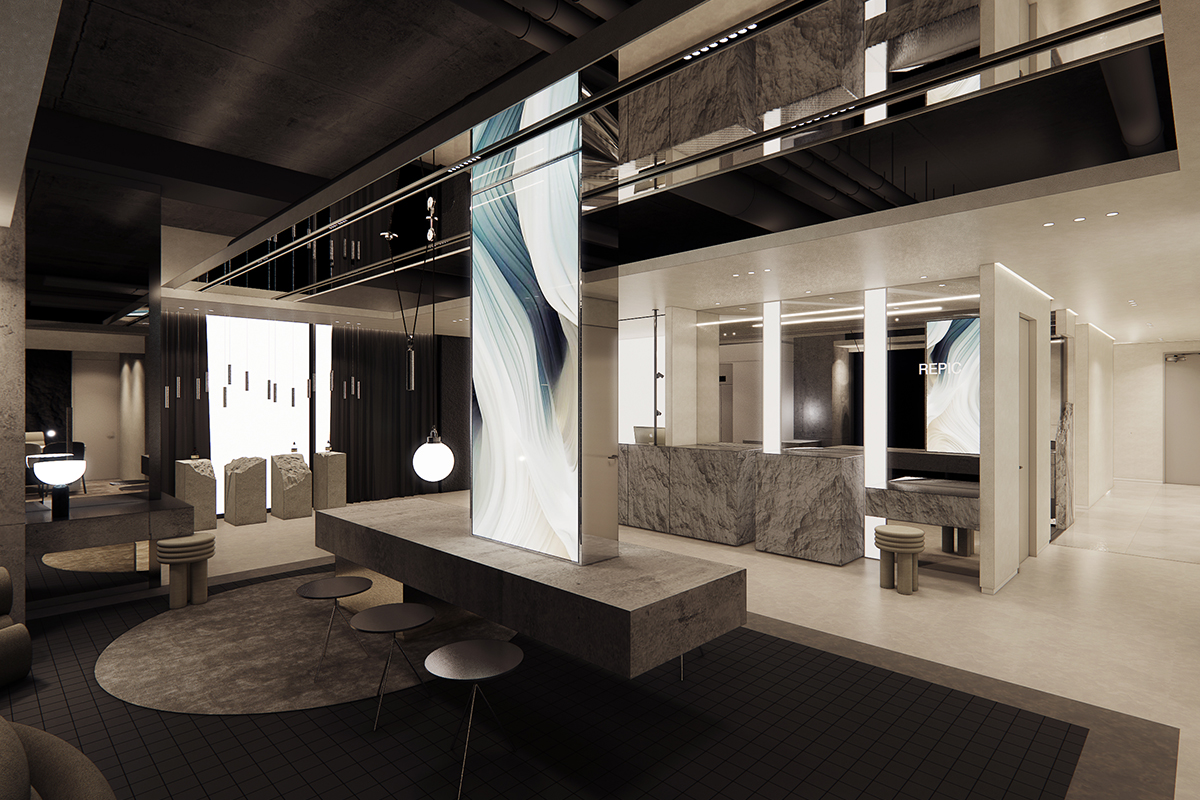
Repic Scar Care at Repic Clinic in Gangnam is an acne scar treatment program that combines subcision, Curejet and Collaum in stages. Rather than applying a single device repeatedly, it analyzes the scar type and skin condition based on detailed skin diagnostic data and then designs the order and intensity of each treatment.
For keloid scars, where the skin has overgrown, separate keloid injection treatment is considered. Unlike depressed scars, the skin is raised excessively, so the approach differs.
Number of Sessions and Realistic Expectations
For acne scar treatment, an average of 3 to 5 sessions with maintenance care at 3 to 6 month intervals is clinically recommended. An explanation that scars disappear completely after a single treatment is medically inaccurate. The process of rebuilding the dermal structure is affected by the skin cell turnover cycle and the speed of collagen synthesis, and results vary from person to person depending on scar depth, age and lifestyle.
Sun protection is important after treatment. If recovering skin is exposed to ultraviolet rays, pigmentation can develop, so using sunscreen is recommended. Avoiding saunas, steam rooms and strenuous exercise for several days from the day of treatment is common.
- Confirm the scar type (boxcar, rolling, ice pick, keloid) and then decide the treatment combination
- The effects of treatment appear gradually over 4 to 12 weeks
- An average of 3 to 5 sessions with care at 3 to 6 month intervals is clinically recommended
- Sunscreen is essential after treatment; avoid saunas and steam rooms
- Keloid scars need a different approach from depressed scars
For a detailed consultation about how acne scar treatment works and what to expect, you can check the official page of Repic Clinic in Gangnam (318 Gangnam-daero, Gangnam-gu, Seoul, B1 and 2F).
Related Official Information
You can find more details on the official website.
Repic Clinic official website →
※ This content is for general information only and does not replace a medical diagnosis or treatment. Please consult a medical professional before any procedure. Results, downtime and side effects vary from person to person.