When nasolabial folds (smile lines) deepen, filler is often the first option people think of. The idea of filling in the volume to lift the hollowed area feels intuitively right. In practice, though, there are specific cases where filler is suitable, and if the cause is not identified first, the result can look unnatural. To understand how filler for nasolabial folds works, the starting point should be the question: "Why did they deepen?"
Nasolabial Folds Do Not Deepen for Just One Reason
Nasolabial folds do not come from a single cause. They can be broadly grouped into five types. The first is overactive muscles around the corners of the mouth, the second is reduced elasticity of the surrounding skin, the third is sagging of the cheekbone and cheek fat, the fourth is change in the bone structure, and the fifth is a combined type in which these factors act together. Even for the same nasolabial folds, a different cause calls for a different approach.
If muscle is the cause, reducing muscle activity with Botox comes first. If skin sagging is the main factor, a lifting procedure that pulls tissue upward is more suitable. Filler works well when the bone itself is depressed or the fold area is hollowed because of lost volume. If filler alone is injected into a face with marked sagging, the outer edge of the fold can end up looking more prominent, which is the opposite of the intended effect.
How Is Filler for Nasolabial Folds Performed?
Filler treatment for nasolabial folds is divided into direct injection into the fold itself and an indirect approach that replenishes volume in the cheekbone and cheek areas to soften the fold. Direct injection gives immediate volume, but it takes a technique of precise, small-amount injection to avoid an unnatural shape. The indirect approach restores the three-dimensional shape of the whole face by filling the cheeks and cheekbone areas, which tends to help produce a natural result.
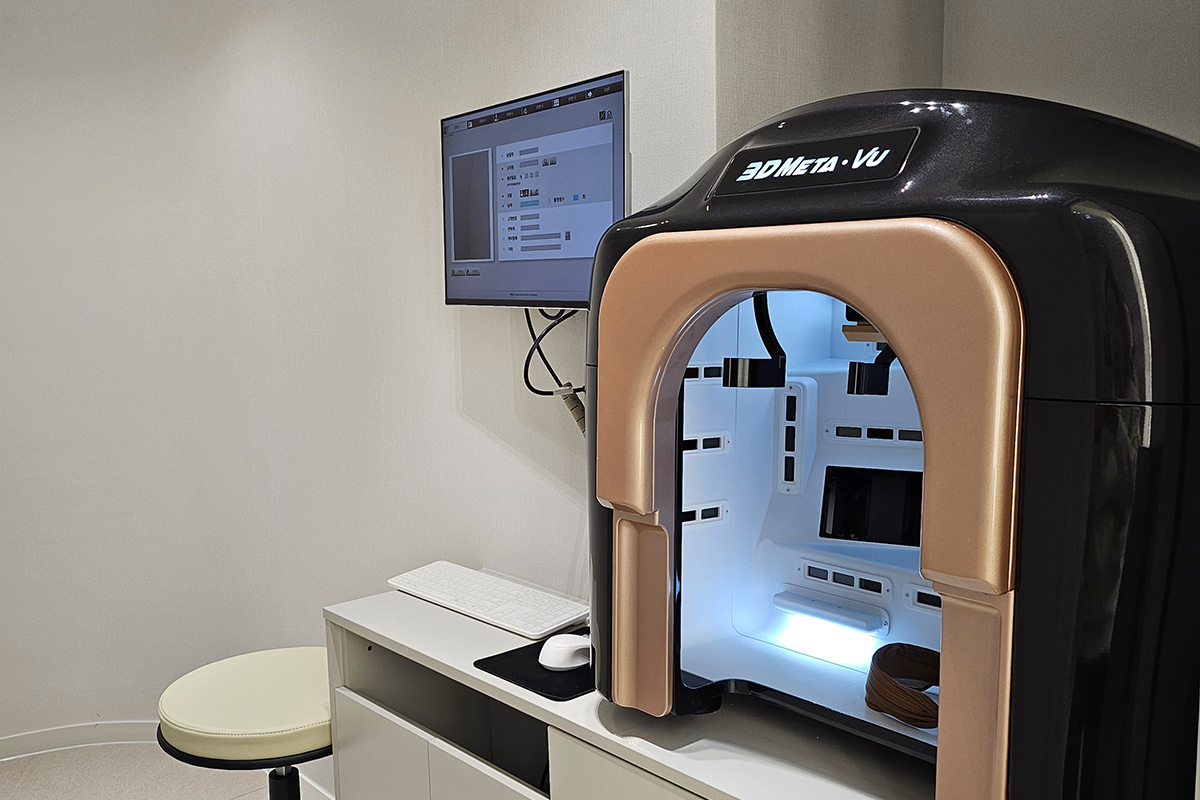
Repic Clinic in Gangnam applies a 3D Design Filler approach. It is a method of designing treatment for multiple areas, such as the cheekbones, cheeks, chin, nasolabial folds, forehead and temples, in consideration of overall facial contour and dimension. Rather than simply filling the nasolabial fold, the amount and placement are decided while looking at the proportions of the whole face.

When Botox and Filler Are Used Together
If the nasolabial fold is a combined type in which muscle overactivity and volume loss occur together, combining Botox and filler may be considered. Botox relaxes the tension of the muscles that pull the corners of the mouth, and filler replenishes volume in the hollowed area. The two procedures do not overlap in how they work, so doing them on the same day is also possible.
However, when both procedures are applied to the same area at the same time, it can affect how the filler is distributed, so generally it is easier to predict the result by doing Botox first and adding filler 7 to 14 days later. If scheduling requires doing both on the same day, the order is designed differently depending on the area.
What to Check Before the Procedure
There are several things worth checking before a filler procedure. If you are taking blood thinners, anti-inflammatory painkillers or dietary supplements (such as omega-3 or vitamin E), discuss with your doctor whether to stop them 1 to 2 weeks before the procedure, because a higher tendency to bleed can make bruising and swelling worse. Avoid alcohol and strenuous exercise on the day of the procedure, and for a period afterward it is a common precaution to avoid massage or heat packs that put strong pressure on the area.
After filler, temporary swelling, bruising and redness may occur, and most of these settle within several days to 2 weeks. Rarely, side effects such as vascular compression or skin necrosis can occur, so if you notice any abnormal symptoms after the procedure, visit the clinic right away. Results and how long they last may differ depending on the type of filler, the amount injected and individual skin condition.

- Identify the cause of the nasolabial folds first, then decide on the type of procedure
- Filler is suitable when bone depression or volume loss is the cause
- When muscle overactivity is also present, combining with Botox may be considered
- Botox first, then filler (7-14 days apart), tends to make results easier to predict
- Tell your doctor about any medications or supplements you take before the procedure
Repic Clinic in Gangnam (318 Gangnam-daero, Gangnam-gu, Seoul, basement level 1 and 2nd floor) offers consultations for nasolabial folds using the 3D Design Filler planning approach. You can find more details on the official page or be guided through them at a consultation.
※ Notice
The procedure effects and duration described in this article may differ depending on individual skin condition, age and treatment area. Every procedure carries the possibility of side effects, and whether it is right for you is generally decided after a consultation.
Related Official Information
You can find more details about the above on the official website.
Repic Clinic official website →
※ This content is for general information only and does not replace a medical diagnosis or treatment. Please consult a medical professional before any procedure. Results, downtime and side effects vary from person to person.