The first thing to do before acne scar treatment is to identify "what type of scar I have." Boxcar, rolling and ice pick scars each call for a different treatment, and it is common for all three types to be mixed on a single face. If the scar type is not checked before a direction is set, treatment efficiency can drop considerably. Use the scenario-based checklists below to find the preparation items that fit your situation.
Scenario 1: Considering Scar Treatment for the First Time
If it has been 6 months to a year or more since the scars formed, and the pitted marks are clearly visible under lighting after washing your face, it may be time to consider starting treatment. If this is your first visit, the most important preparation is to "draw a map of your scars." Shining natural light or a desk lamp at an angle in front of a mirror to see the location and depth of the pits makes communicating with the doctor at the consultation much easier.
Items a first-time visitor should check before the consultation are as follows.
- Check whether your acne is currently active (if inflammatory acne remains, acne management comes before scar treatment)
- Whether you have taken isotretinoin (Roaccutane-type medication) in the past 6 months; if you are taking it or have only just stopped, laser treatment may be restricted
- Whether you tend to form keloids; if wounds tend to swell up instead, this should generally be disclosed at the consultation
- Downtime schedule: recovery after scar treatment can take 5 to 7 days depending on the type of treatment, so it needs to be arranged so that it does not overlap with important plans
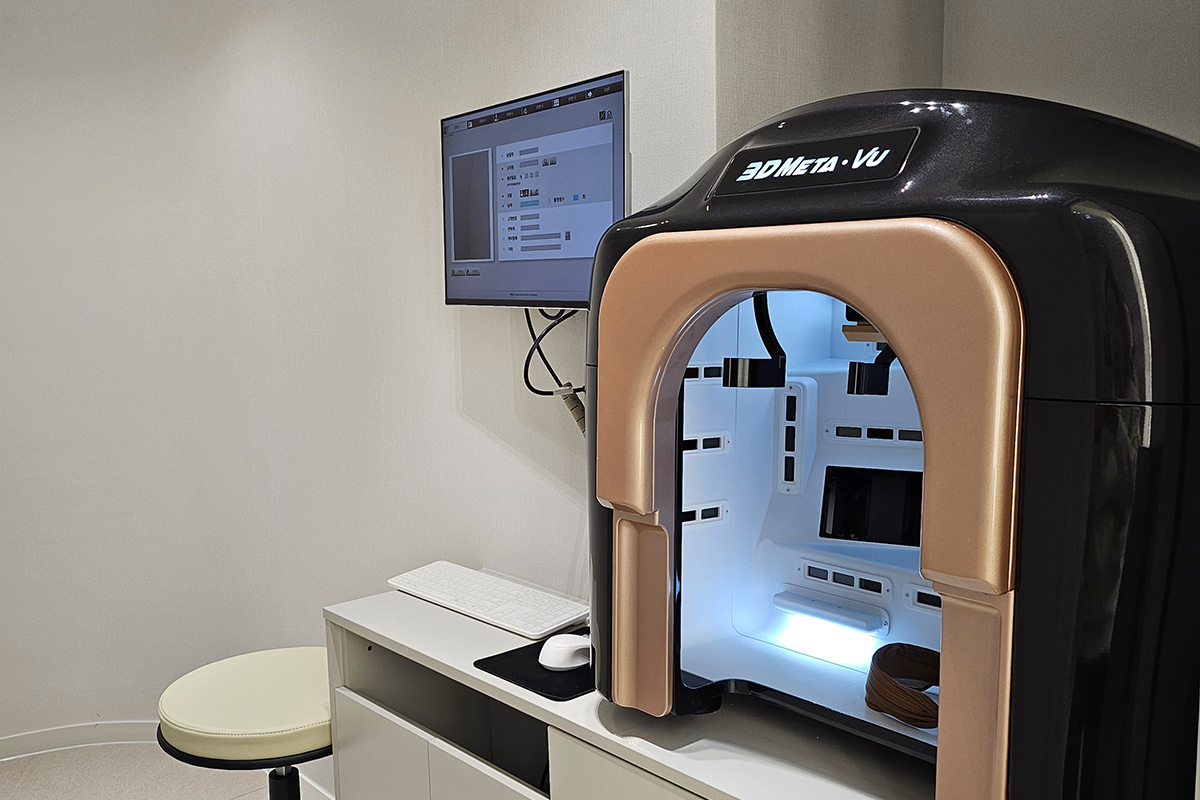
At Repic Clinic in Gangnam, the scar distribution and skin condition are checked as data through Meta View (measuring epidermal and dermal thickness) and Mark-Vu (measuring the location of sagging and pitting) diagnosis before a treatment plan is made. Rather than deciding on treatment immediately at the first visit, the order and number of treatments are first designed based on the diagnostic results.

Scenario 2: Treated Elsewhere, but the Effect Was Limited
If you have had one or two treatments but do not notice any improvement, the cause may be an approach that did not suit your scar type rather than a problem with the treatment itself. For example, repeating laser-only treatment on ice pick scars (narrow, deep, hole-like scars) often stops at improving the surface. If you are planning a repeat treatment, check the following items first.
- Bring your previous treatment records: knowing which device was used and how many times makes it easier to avoid duplicate approaches and design a complementary treatment
- Check whether subcision has been applied: for rolling scars, unless the skin tethering (fibrous tissue beneath the scar) is released, the effect of other treatments is limited
- Keep to the treatment interval: leave at least 4 to 8 weeks after the previous treatment and check how the skin has recovered before proceeding with the next one
- Re-diagnose your current skin condition: the previous treatments may have weakened your skin barrier, so repeating high-intensity treatment without a diagnosis is not recommended
The Repic Scar Care program at Repic Clinic in Gangnam combines subcision, Curejet and Collaum to proceed step by step with tethering release, skin regeneration and collagen remodeling. The structure is that the previous treatment history and the current skin diagnosis results are reviewed together before a complementary approach is designed.
Scenario 3: In Treatment and at the Maintenance Stage
For acne scar treatment, an average of 3 to 5 sessions at 3 to 6 month intervals is generally recommended. If improvement has been confirmed after 2 or 3 sessions, the key from now on is not "how much more to do" but "how to maintain the current state." The checklist at this stage is as follows.
- Daily sun protection: scar areas are prone to pigmentation, so using sunscreen of SPF 30 or higher every day is recommended
- Skin moisturizing: after laser or other treatment the skin barrier is weakened, so consistent use of a low-irritation moisturizer is needed
- Recheck the timing of the next treatment: collagen regeneration continues for 3 to 6 months even after treatment ends, so progress should be evaluated after leaving a sufficient interval
- Check whether keloid injection treatment is needed: if you tend to form overgrown scars, ask at the consultation about combining it with keloid injection treatment
Pre-Treatment Checklist Compared by Scenario
| Item | Starting treatment for the first time | Repeat treatment (limited effect) | Maintenance stage |
|---|---|---|---|
| Identifying scar type | Essential (self-check before diagnosis) | Re-diagnosis recommended | Progress evaluation level |
| Active acne | Generally checked | Check | Ongoing monitoring |
| History of isotretinoin use | Disclose if within 6 months | Same | Can be skipped if not applicable |
| Previous treatment records | Not applicable | Essential to bring | Keep cumulative records |
| Arranging the downtime schedule | Essential (allow 5 to 7 days) | Essential | Depends on the type of treatment |
| Skin diagnosis | Recommended at the first visit | Re-diagnosis essential | To check progress |
| Sun protection habit | Start before treatment | Maintain | Essential on an ongoing basis |
If This Sounds Like You
Whichever of the three scenarios applies to you, one principle holds for all: identify the scar type first, design an approach that fits it, and then keep to the treatment order and intervals. An explanation that scars disappear after a single treatment is medically inaccurate, and a realistic treatment plan usually includes multiple treatments and sufficient recovery intervals.
At Repic Clinic in Gangnam (318 Gangnam-daero, Gangnam-gu, Seoul), combined treatments by scar type are designed through the Repic Scar Care program based on detailed skin diagnostic data. It is recommended to confirm the detailed treatment composition and suitability through a consultation.
Frequently Asked Questions (FAQ)
Q. I still have acne. Can I start scar treatment first?
If scar treatment is carried out while active inflammatory acne remains, the effect of treatment may be reduced and new scars may form. In general, starting scar treatment after inflammation has settled through acne management is the recommended order. However, when acne and scars are mixed, priorities can be arranged at the consultation.
Q. How many sessions of scar treatment are needed?
It varies with scar type, depth and skin condition, but in general an average of 3 to 5 treatments and maintenance care at 3 to 6 month intervals are needed. When boxcar, rolling and ice pick scars are mixed on one face, combined treatments are applied in stages, so the total treatment period may be longer. The exact number is designed based on the diagnostic results.
Q. Can I go to work the next day after scar treatment?
Scar treatment (Scar Care type) may involve about 5 to 7 days of downtime. Swelling, scabbing and redness can appear, and in some cases they cannot be fully covered with makeup. If you have an important event, it is a good idea to arrange the timing of treatment at the pre-treatment consultation with the downtime schedule in mind.
Q. How can I tell if I tend to form keloids?
If, after ear piercing, surgical scars or ordinary wounds, the area has turned red and swollen or stayed itchy, you may tend to form keloids. In that case laser treatment may instead worsen the scar, so this should generally be disclosed before the consultation, and combining keloid injection treatment should be reviewed together.
Related Official Information
You can find more details on the official website.
Repic Clinic official website →
※ This content is for general information only and does not replace a medical diagnosis or treatment. Please consult a medical professional before any procedure. Results, downtime and side effects vary from person to person.